
When we have voices

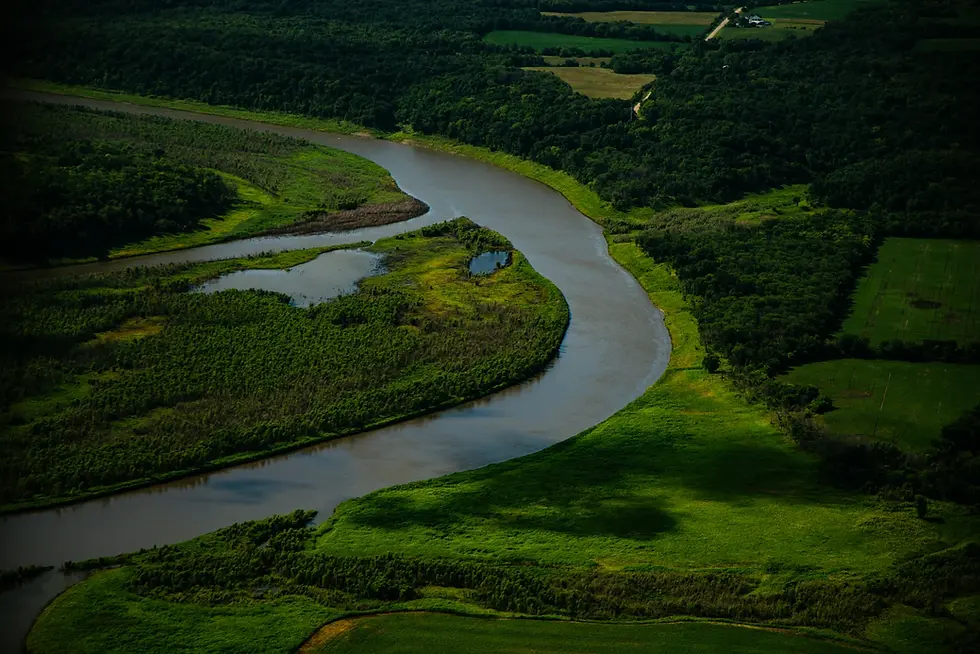
Last night I was driving home from a historical program about the history of straightening of the Nishnabotna River. On the way I was listening to a podcast about the Indigenous work in restoring the Klamath River.
As they spelled out the decades of fighting local industry, local and federal government, and the sheer audacity of wanting their river back, it came to me that their strength grew out of a generational belief in the rightness of their cause. It started with a band of Indigenous people and others and expanded the fight to state and national levels.
The core reason for that victory was their resilience, and the reason for their resilience was a powerful sense of place.
The Indigenous people of that area had a history going back thousands of years. They used that history and their resilience to stay the course when there was no course. Four dams are now gone from the Klamath River and salmon are returning to places they haven’t been able to reach for generations.
After the podcast was over, I still had some miles to go and my mind wandered back to the group that had gathered at the Macedonia Historical Museum.
Everyone there seemed to know each other. During the question-and-answer period they addressed each other by their first names. It became obvious that many of them had lived there for generations. They had land, they had businesses, their people are buried in local cemeteries. They had a deep connection to the land, the history and each other.
We don’t think of modern Iowans that way.
It’s easy to look at our culture and miss the connective tissue that still exists in our small towns and the wider communities.
On that evening we were all there to learn about the history of our river. What we learned was that our river was embroiled in controversy from the time of the earliest white settlers. There were those who agreed with straightening it and those who didn’t, and they all had their reasons.
There was controversy about industrial pollution and who could use the river and for what.
We weren’t there to talk about the current pollution of our river and the possible effects on our health. I suspect some of the people in that room would have strong opinions about what we should do about it, and they would all have their reasons.
I also suspect we would find a number of people who have been affected by cancer, and who might agree that perhaps our water and environment are playing a part.
What I saw that night was that we Iowans have a sense of place that many people in our culture do not. That gives us a sense of community that many people do not have.
It’s not the deep historical connection that the Indigenous people of the Klamath have. Their connection reaches back thousands of years. But what I saw in Macedonia was a deep connection to the land nonetheless.
I’m glad I had this insight.
It gives me hope that when the chips are down, Iowans can see that we all have a right to clean water. We all have a right to be healthy. From there we can come together on common ground to address the issues.
We have the history. We have the sense of place. This is our home and we’re not leaving.
We have the community, and that gives us the resilience to sort out what must be done.
In any case, I can see that we have work to do in bringing the subject to wider public attention.
If you’re reading this, you are probably already aware of the pollution in our river and the concerns about Iowa’s unusually high cancer rates. You probably realize you have a voice.
What I want you to think about is adding your voice to others.
Your voice, when added to the voices of hundreds of others, can be heard all over the watershed.
We have been posting our message on billboards this fall. Maybe you’ve seen them. We kind of want to be known for that.
Nishnabotna Water Defenders are joining with other groups in the state, the Iowa Environmental Council for one, and there are many more. With that, your voice joins thousands of others and begins to reach deep into the Statehouse. We are doing interviews and getting your voice out nationwide. Beyond that, we are writing letters to editors, and we can help you with that too. We can help you know what questions to ask your local politicians.
We are now at a point where we need your skills to help us grow.
We will be looking for specific volunteers very soon. We need people with people skills who can organize volunteers. We need people who can communicate. We need ideas about how best we can defend our watershed and watersheds all across Iowa.
Think about the Klamath.
The people who started that fight didn’t know exactly how they were going to win. I’m not sure they even knew that they could win. What they knew was that it was their river and they wanted it back.
They stayed.
They organized.
They added voices.
And eventually people listened.
We already have more support than those who began the work to restore the Klamath had when they started. We already have your support in recognizing our work.
Now we need your voice.
It all starts with 25 bucks.
Go to our website and click the appropriate buttons. Join us, and add your voice to the thousands of other voices around our state.
This is our home.
We’re not leaving.
Thank you!


Comments